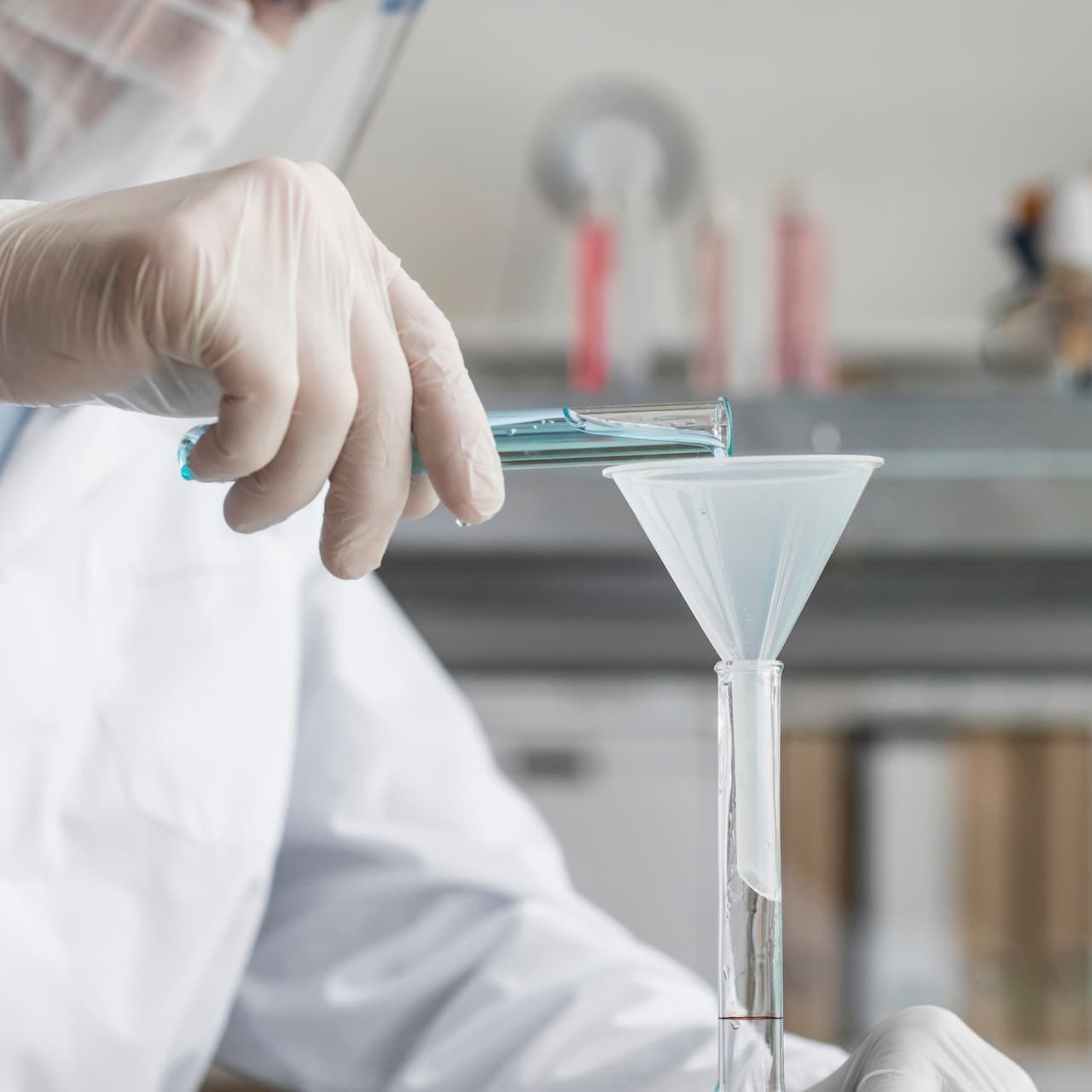
Water treatment reagents are specially developed chemical substances added to water for effective contaminant removal, disinfection, stabilization, and quality improvement. They play a key role in filtration, purification, and water preparation processes for different needs, from drinking to industrial use.
The right reagent selection significantly improves water purification efficiency, reduces load on core equipment, and extends the service life of filtration systems.
Types of reagents for water treatment
Effective reagents for water softening
These reagents are used to reduce water hardness, helping prevent scale formation in pipelines and equipment.
- Types: calcium and sodium salts, polyphosphates.
- Application: Reduce calcium and magnesium levels in water, preventing lime scale buildup.

Coagulants and flocculants
These chemical compounds help bind fine particles and contaminants in water into larger aggregates that can then be easily removed. This is an important stage in water purification from organic and inorganic impurities.
- Types: aluminum sulfate, ferric chloride.
- Application: Used in water supply and water treatment systems to remove organic and mineral contaminants.
pH stabilization reagents
pH level control is an important part of water treatment. Special reagents are used to keep water within the optimal pH range to prevent corrosion of pipelines and fittings.
- Types: acids (sulfuric, phosphoric) and alkalis (sodium hydroxide).
- Application: Used to adjust pH levels and maintain optimal conditions for other treatment processes.
Disinfecting reagents
Water disinfection is required to remove microorganisms and harmful bacteria. The use of disinfecting reagents ensures high water quality, especially in industrial and municipal systems.
- Types: chlorine, ozone, sodium hypochlorite, chlorine dioxide, biocides, etc.
- Application: Removal of bacteria, viruses, fungi, and other pathogenic microorganisms in water.
Benefits of using reagents in water treatment
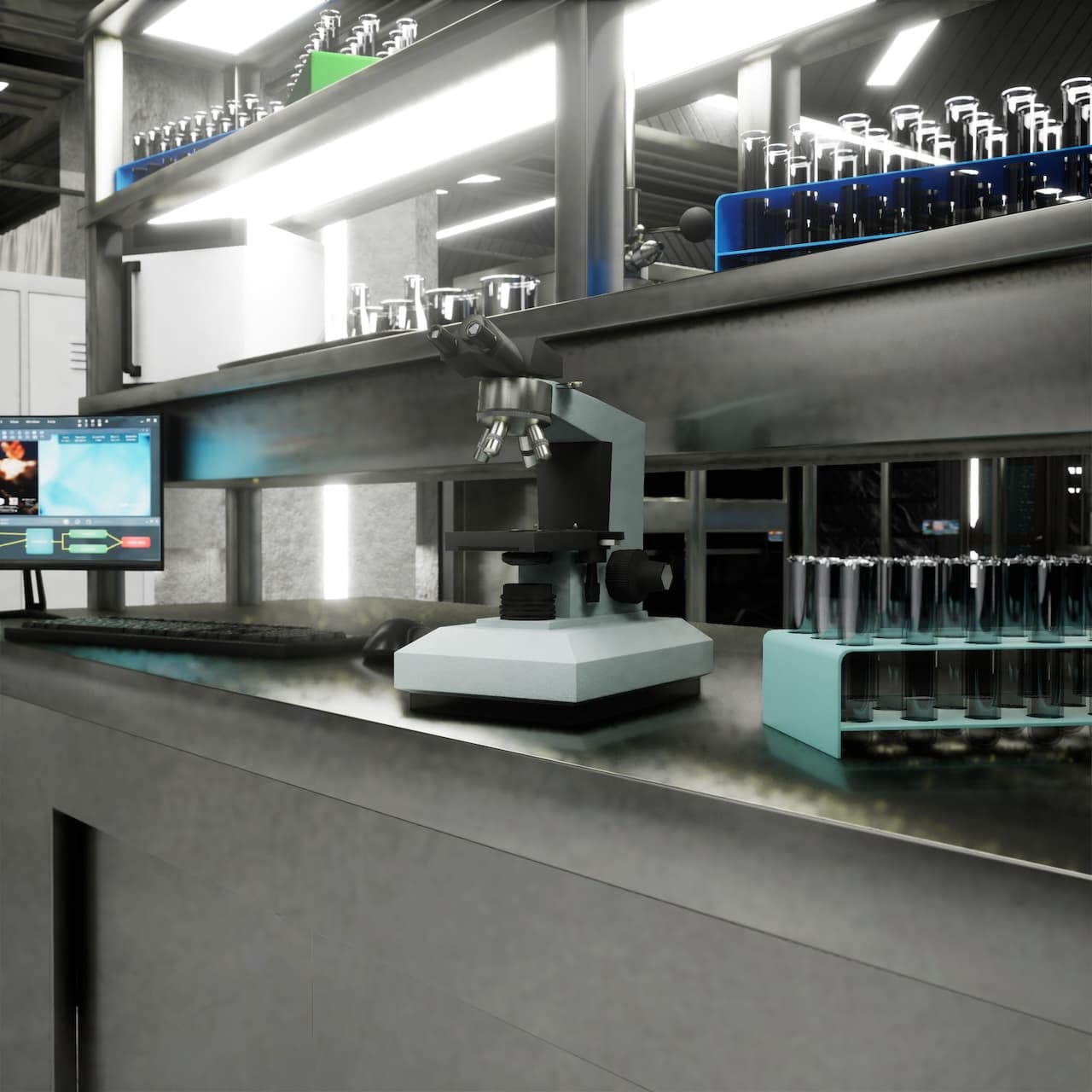
Improved filtration efficiency
Reagents activate processes that improve both mechanical and chemical water treatment. This allows filter elements to operate more efficiently and increases their service life.
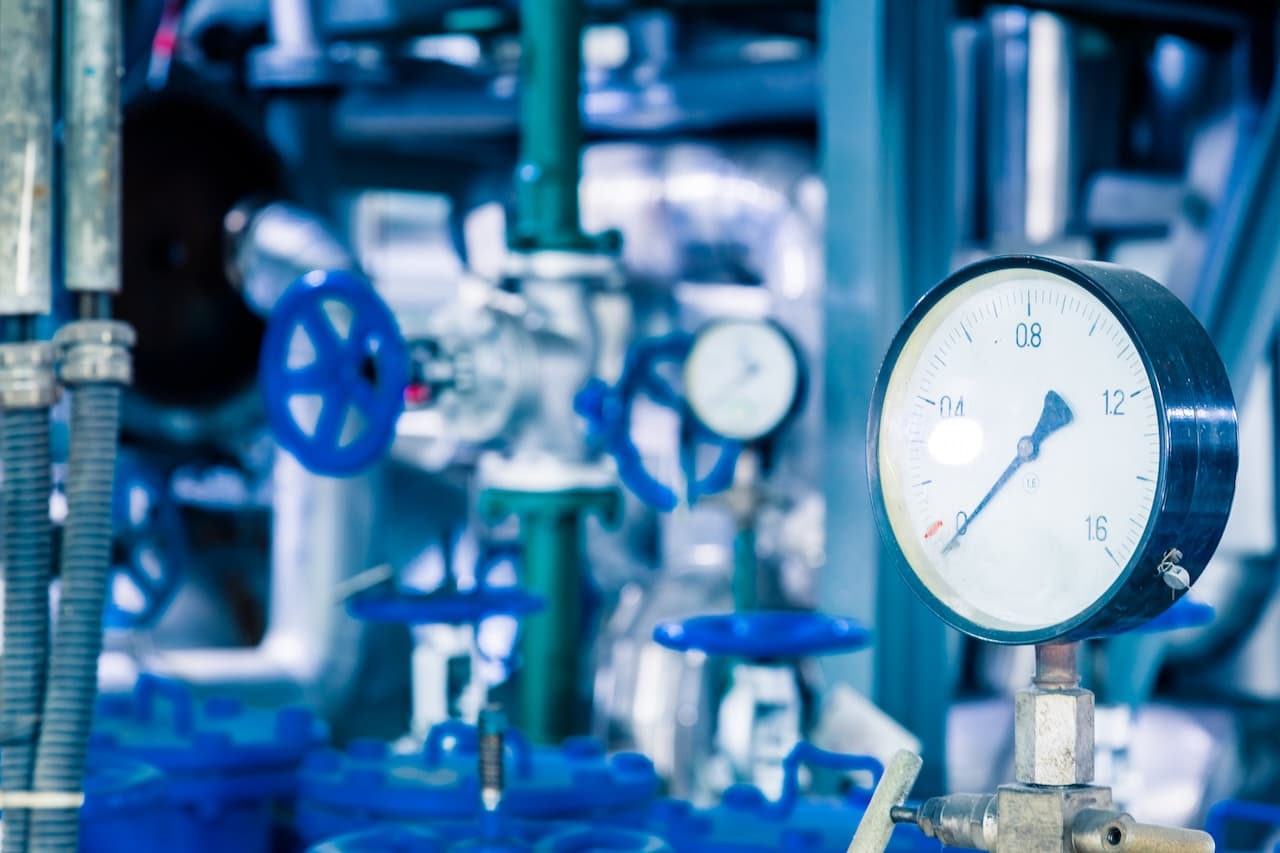
Reduced costs for system maintenance
By applying reagents for water stabilization, the load on core filtration elements and other equipment is reduced, extending service life and lowering repair and replacement costs.
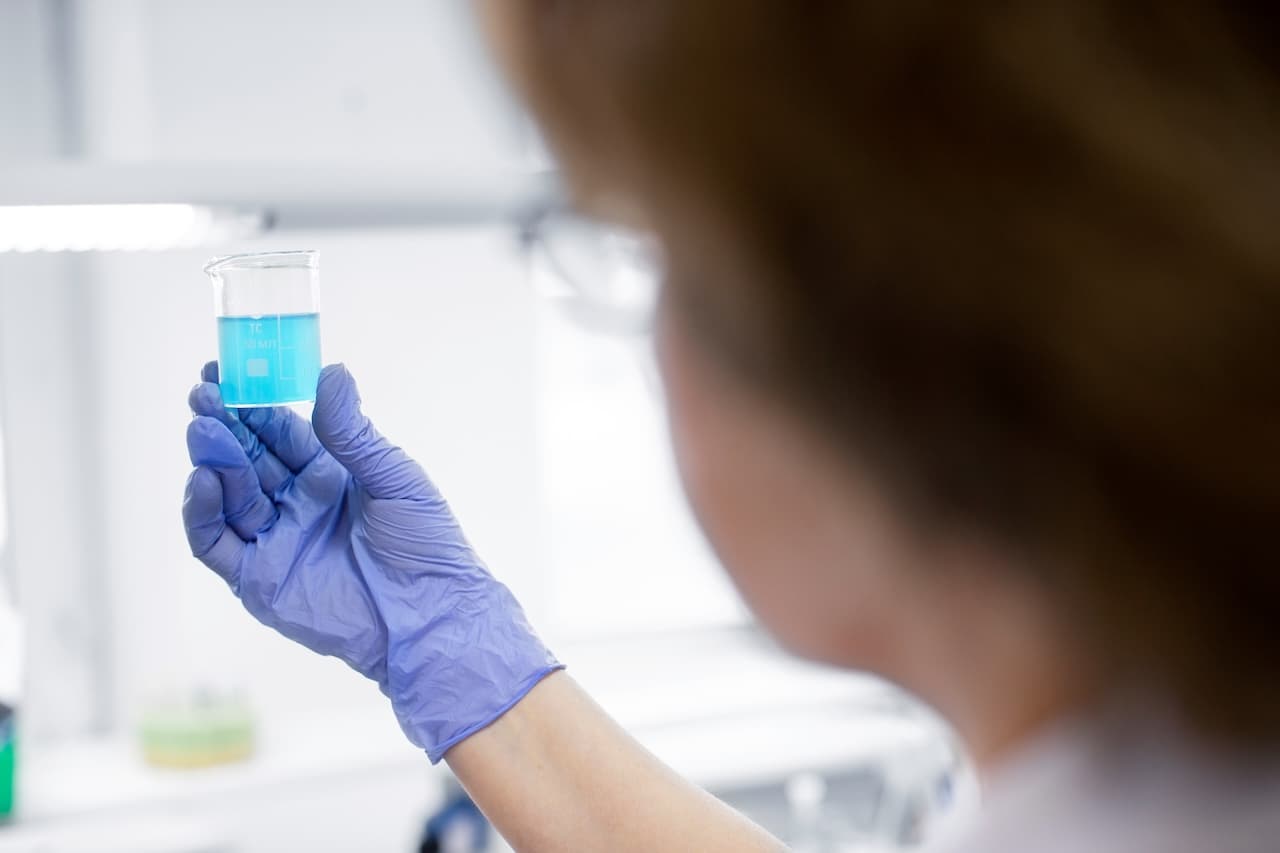
Improved water quality
Proper use of reagents not only helps purify water but also makes it safer for consumption. Reagents support removal of hazardous impurities and improve organoleptic water characteristics.
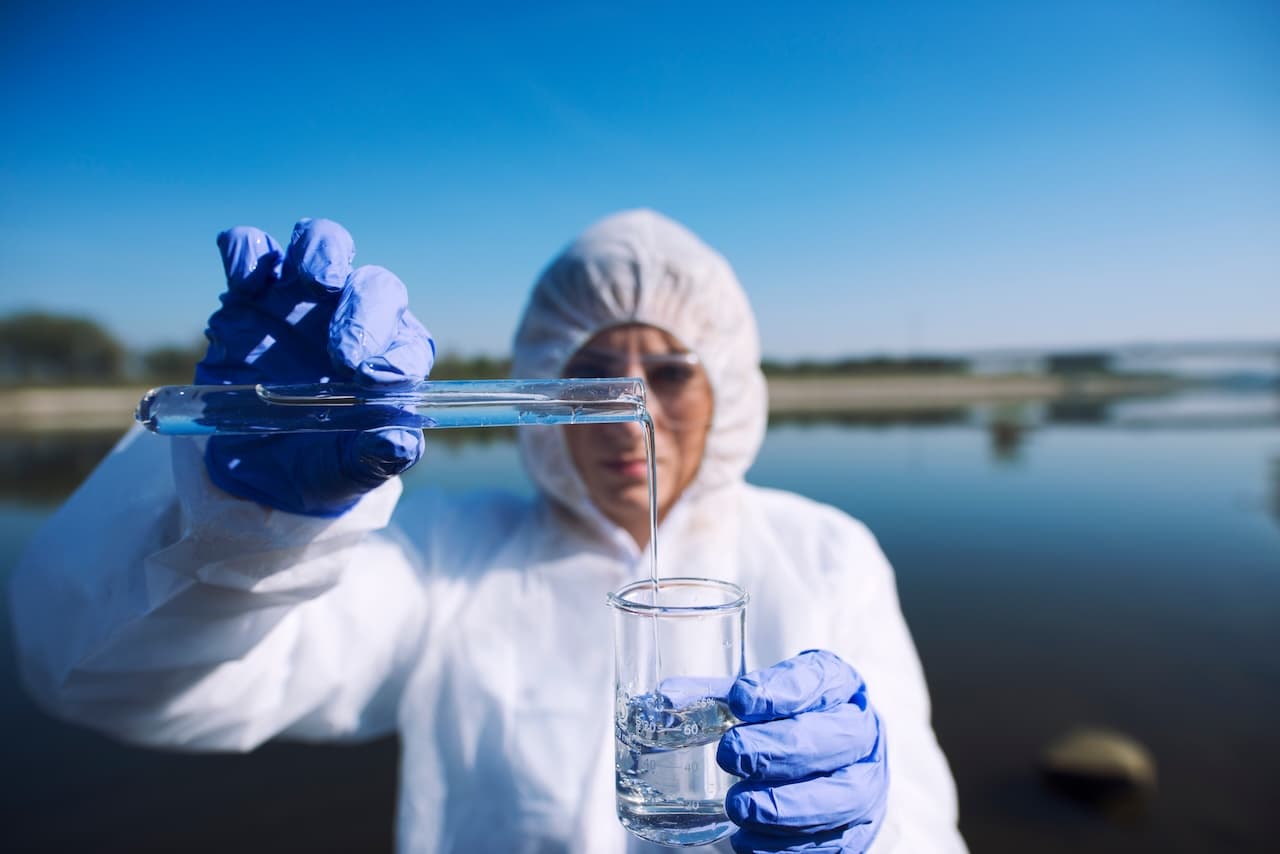
Application across multiple sectors
Reagents are used not only for drinking water but also in industrial systems where water composition must be controlled for uninterrupted equipment operation, as well as in agriculture for irrigation water preparation.
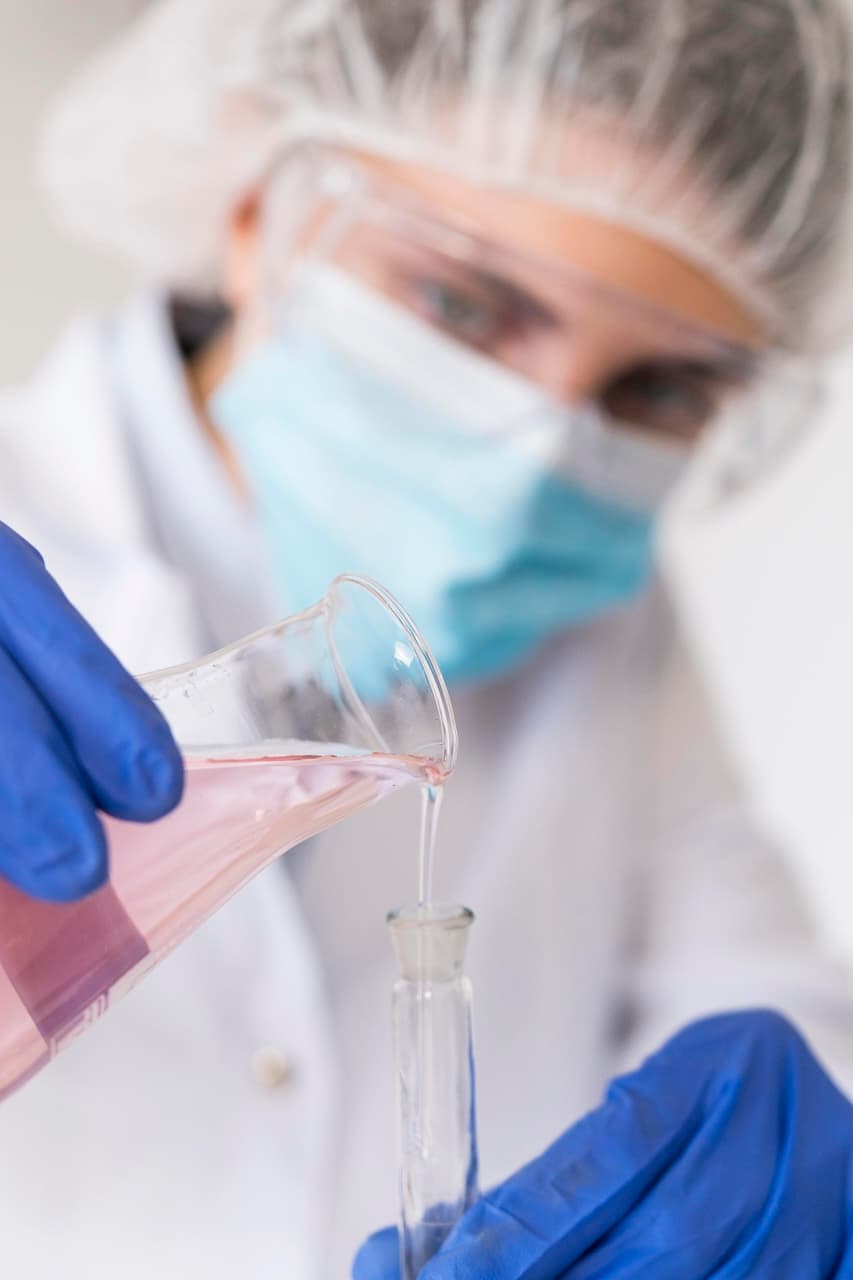
Selection of water treatment reagents
When selecting reagents, it is important to consider:
- Water chemistry, including parameters that require treatment (hardness, pH level, organic contamination content).
- Type of water treatment system, whether domestic or industrial.
- Treatment objective, including contaminant removal, pH correction, and disinfection.
Our specialists will help you choose the most efficient and cost-effective reagents for your water treatment system, ensuring optimal conditions for uninterrupted operation.
Who benefits from water treatment reagents?
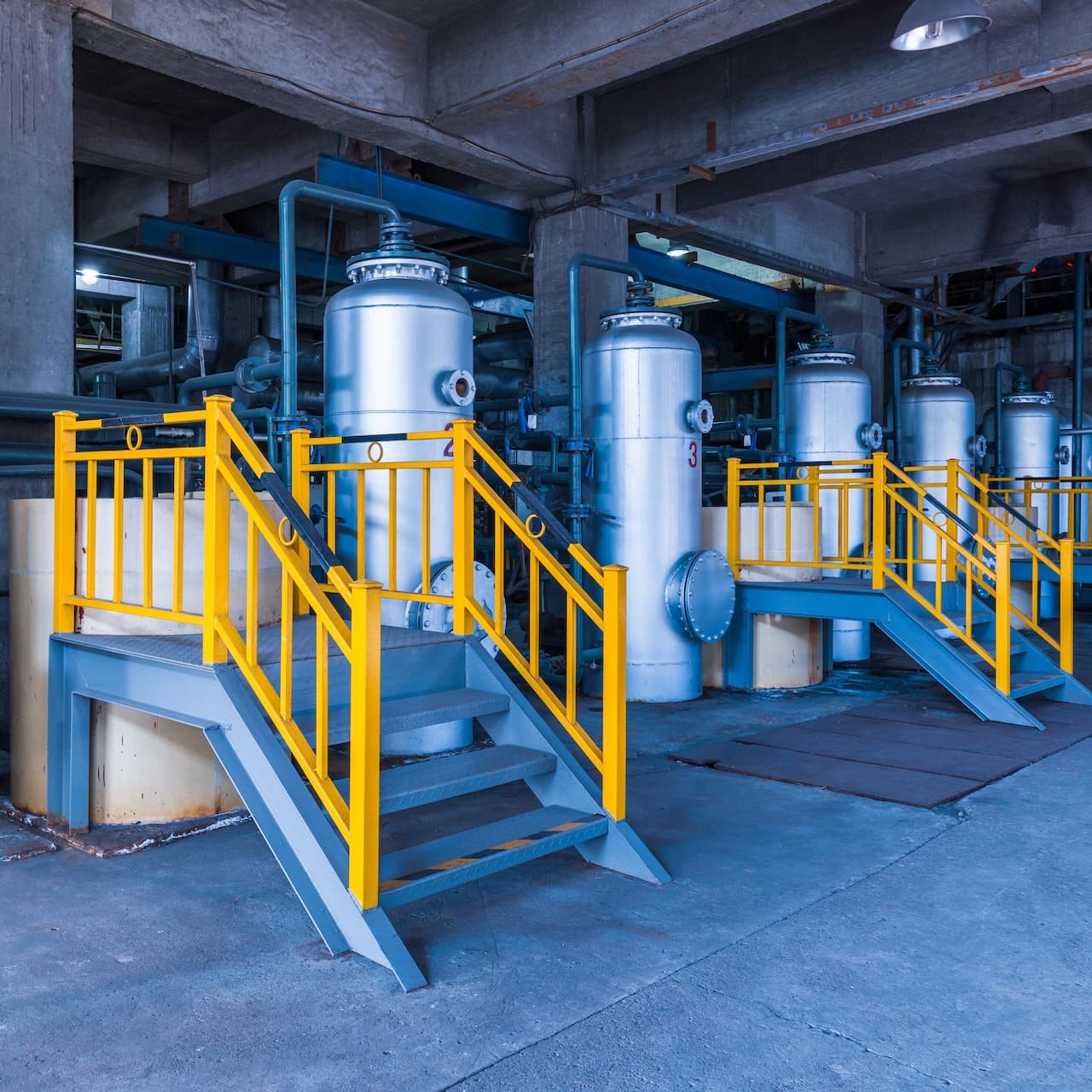
Industrial enterprises
For purification of water used in production processes.

Agricultural enterprises
For water purification for irrigation and production needs.

Municipal enterprises
For ensuring clean water supply for communities.
Residential users
For improving drinking water quality in household conditions.
Request a consultation
Our specialists will help you choose the best solution for your company and provide all the necessary technical information. Fill out the form and we will contact you shortly.