Mechanical filtration is the first stage in water treatment systems and is responsible for removing coarse particles such as sand, sludge, and other solid contaminants. This is a critical process that ensures the overall efficiency of the entire filtration system by protecting finer and more sensitive components, such as reverse osmosis membranes or carbon filters, from premature wear.
Mechanical filtration significantly improves water quality at the initial treatment stages, ensuring long-term and stable operation of the water treatment system.
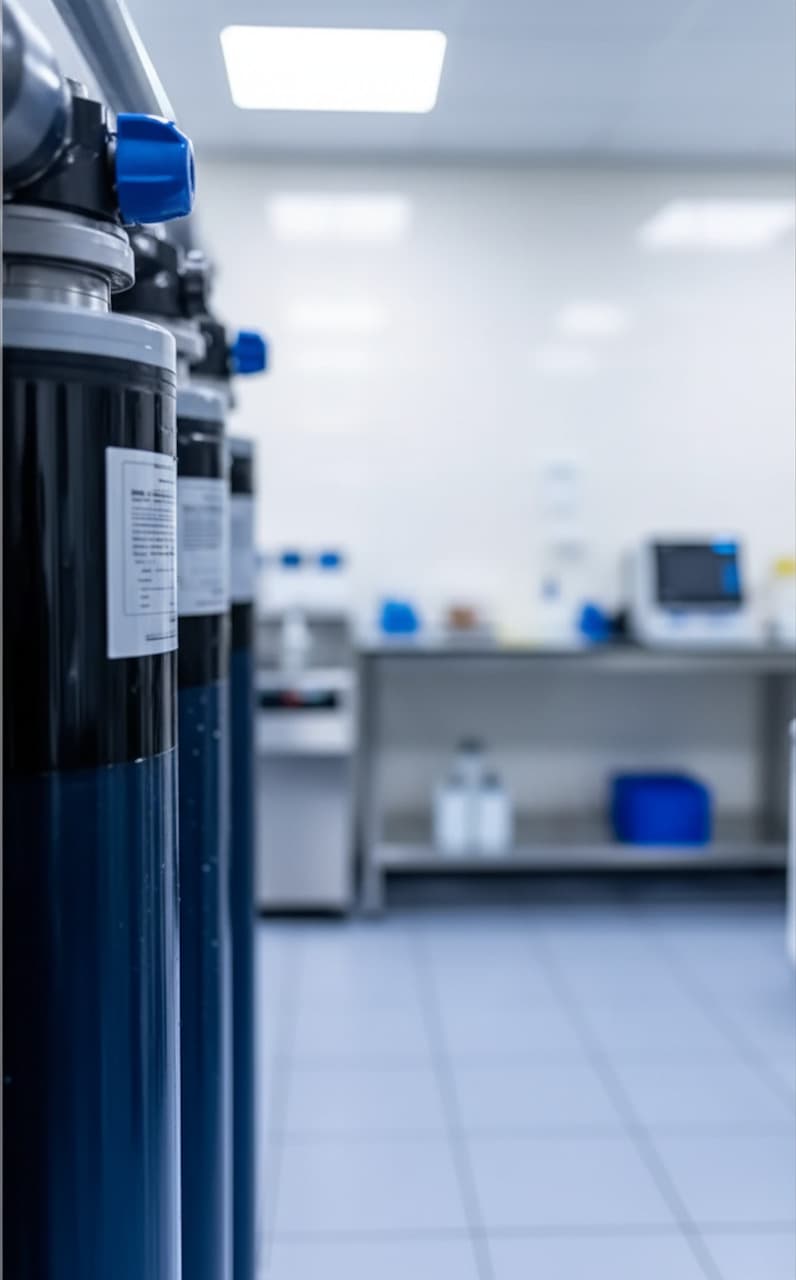
Operating principle of mechanical filtration
Mechanical filters work by physically retaining particles and contaminants present in water. Water passes through special filter media or elements made of materials such as polypropylene or other synthetic materials that can trap particles of different sizes.
Main stages of mechanical purification:
- Pre-filtration - removal of large particles such as sand and gravel.
- Fine filtration - removal of smaller particles such as suspended matter that can form sediment.
Types of mechanical filters
Cartridge filters
This is the most common type of mechanical filter used in household and industrial water treatment systems. Cartridge filters are available in different filtration ratings, from coarse (50-100 microns) to fine (1-20 microns).
- Benefits: Ease of use, cost efficiency, affordable price.
- Application: Drinking water filtration in home, office, cafe, and restaurant water treatment systems.
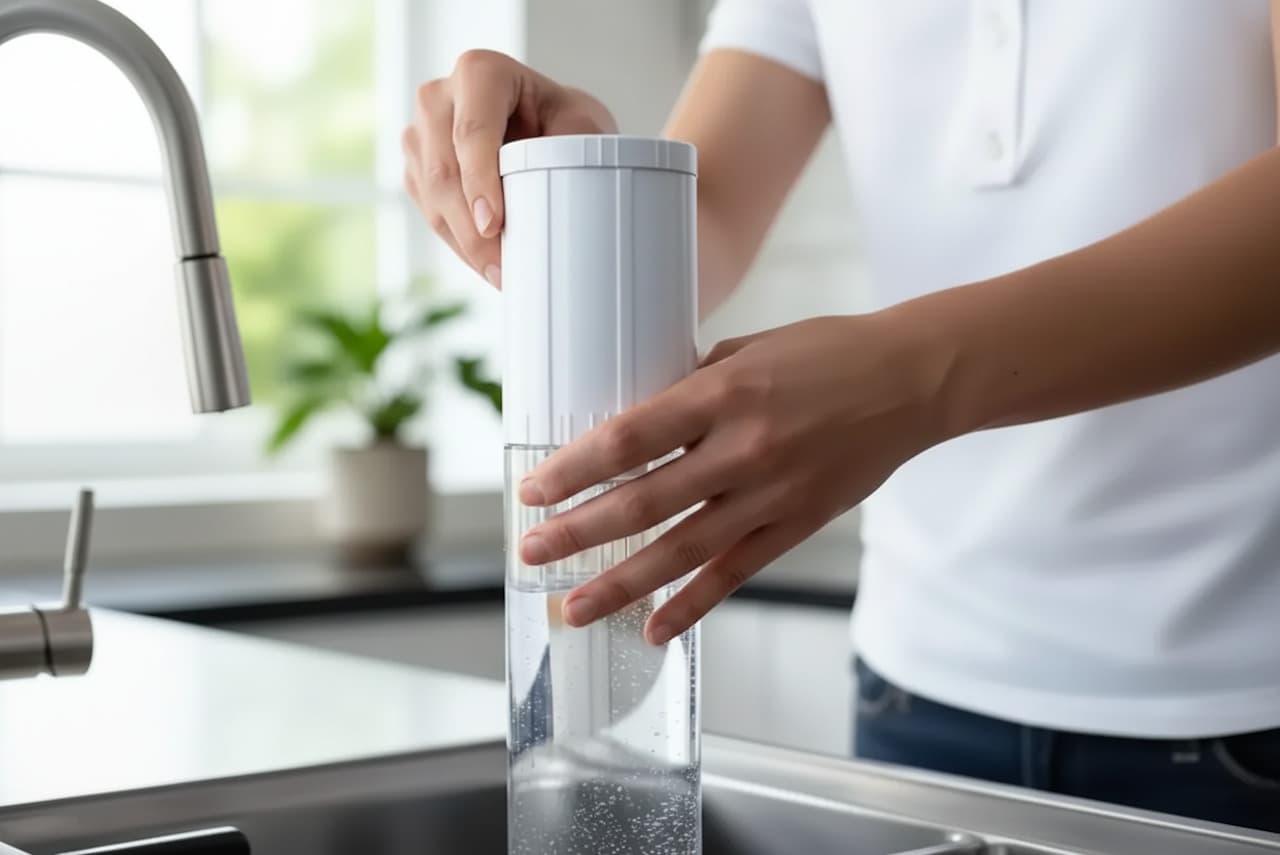
Mesh filters
Mesh filters are typically used to remove large contaminant particles such as sand, clay, plant residue, and other solid impurities. They consist of a mesh that retains particles of a specific size.
- Benefits: High efficiency in removing large particles.
- Application: Water supply systems to prevent clogging of pipelines and pumps.
Benefits of mechanical filtration
Protection against coarse contaminants
Mechanical filters effectively retain sand, sludge, and other solid particles that can damage technical equipment such as pumps, reverse osmosis filters, and other treatment systems.
Extended equipment service life
With preliminary water treatment through mechanical filters, the load on more sensitive system components is significantly reduced, helping extend their service life and reduce maintenance costs.
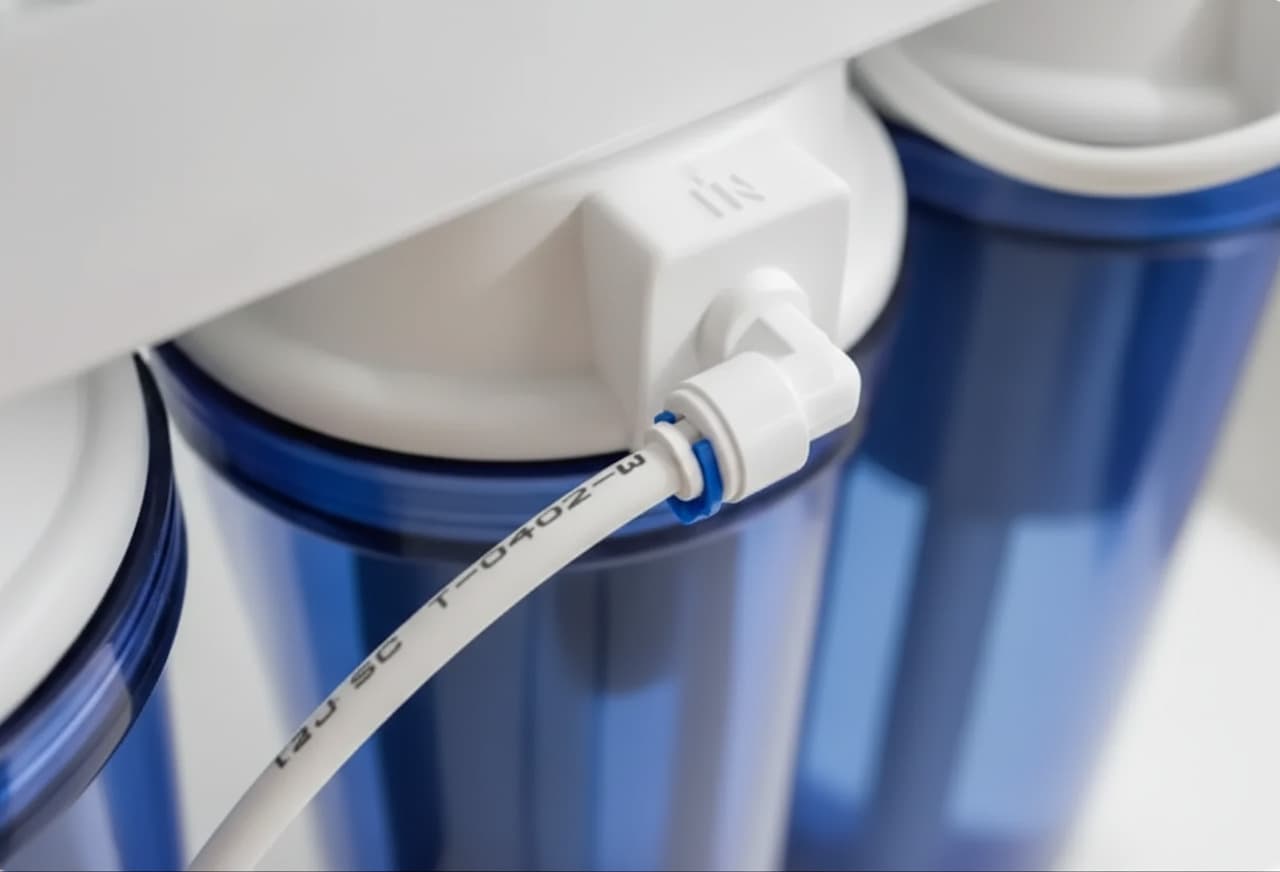
Cost efficiency and simplicity
Mechanical filters are among the most cost-effective water treatment options. They are easy to use and simple to replace or clean, which makes them highly accessible for widespread use.
Who are mechanical filters suitable for?
Household systems
For tap water filtration and water purification for household needs.
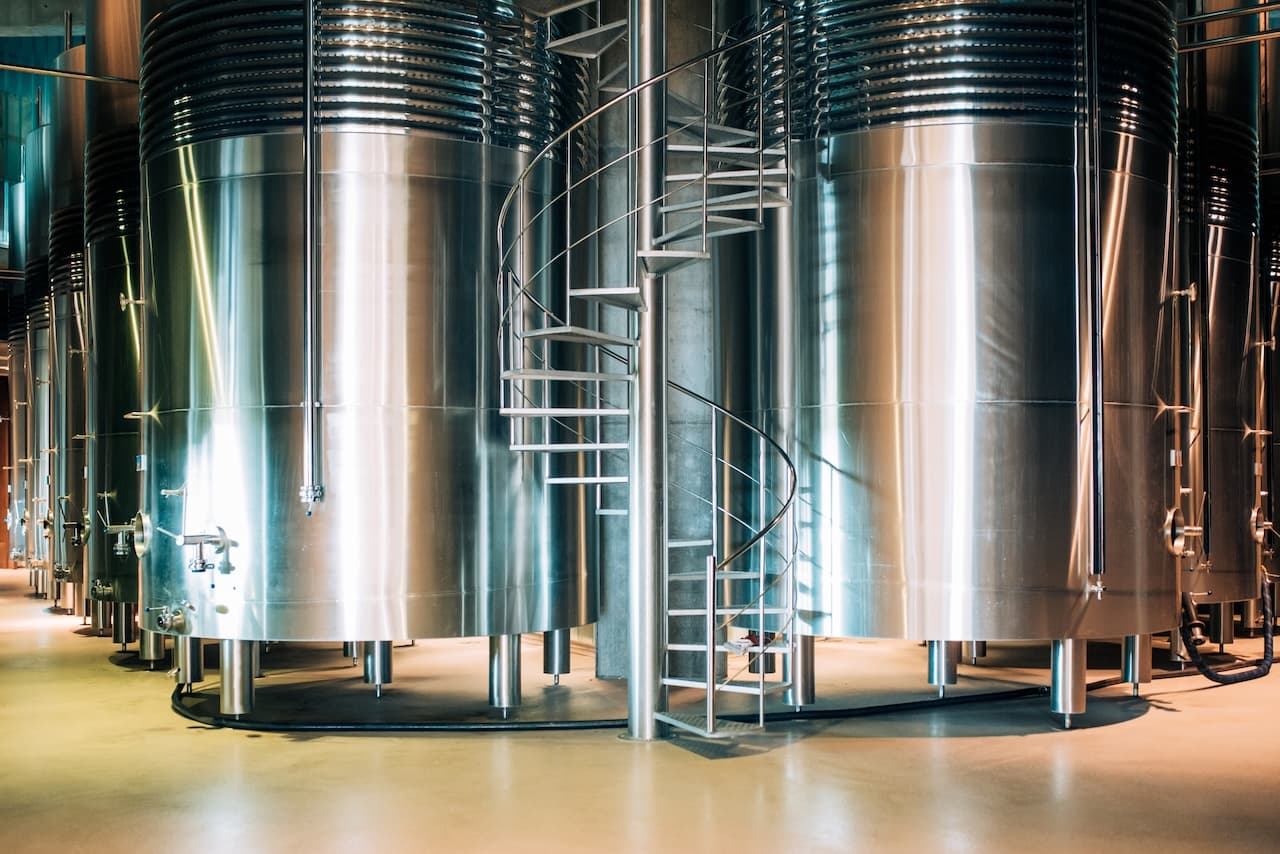
Industrial enterprises
For removing large particles that can cause clogging or equipment failure.

Car washes and service stations
For protection of water treatment systems and pumps.

Agricultural enterprises
For water purification for irrigation and production needs.
How to choose a mechanical filter for your system?
When choosing a mechanical filter, it is important to consider:
- Contaminant particle size in water and the required filtration grade.
- Water volume that requires treatment and filter performance.
- Purpose of treated water - drinking water supply, process use, etc.
- Operating conditions, water temperature and pressure, and the chemical composition of the water being treated.
Our specialists will help you choose the optimal filter that matches your requirements and needs.

Request a consultation
Our specialists will help you choose the best solution for your company and provide all the necessary technical information. Fill out the form and we will contact you shortly.